Audience
Define who is most likely to value the location, layout, condition, occupancy and timing—and which alternatives that buyer can choose.
Before the property is public
The listing should make a suitable buyer understand the property quickly, then give them a clear next step. That takes decisions about audience, price, presentation and follow-up before launch.
By Joshua Khoury · Reviewed
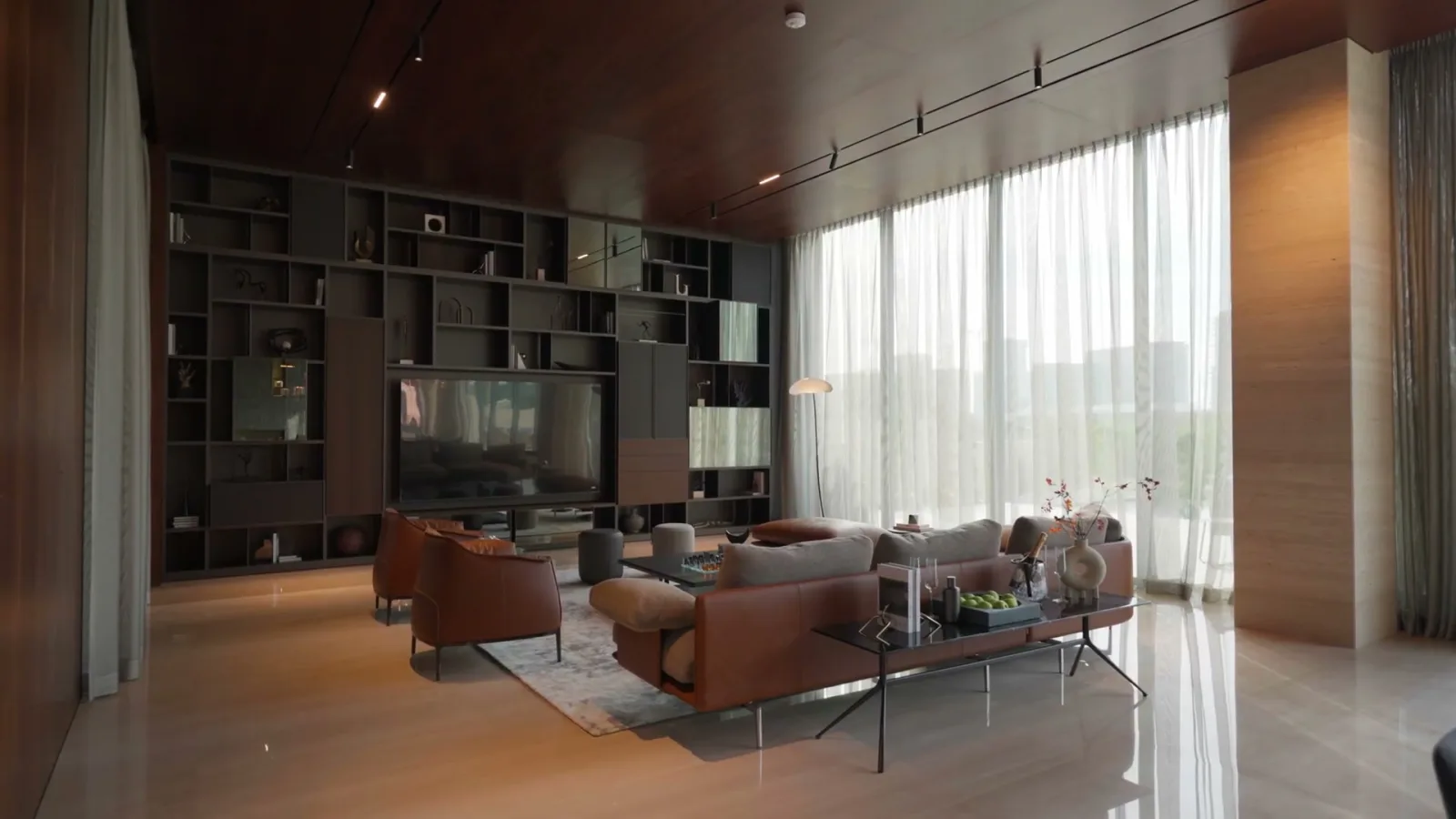
The foundation
A larger campaign cannot repair unclear property facts. Start with the exact home and the likely questions around it.
Define who is most likely to value the location, layout, condition, occupancy and timing—and which alternatives that buyer can choose.
Separate relevant registered sales from current asking competition. State the period, property type and limits behind any price discussion.
Confirm the names, measurements, condition, alterations, tenancy, view, parking, service position and documents before they become public copy.
Plan how suitable buyers will enquire, be qualified and view the home without creating confusion for the owner, tenant or agent.
The sequence
The work continues after the first enquiry. Buyer response should become useful information, not a stream of disconnected comments.
Resolve distracting maintenance where sensible, plan the rooms, create accurate photography and write the property so a suitable buyer can understand it before viewing.
Use consistent facts, price and presentation across the approved channels. Direct every enquiry to one accountable follow-up path.
Separate casual reactions from repeated objections, compare the quality of enquiries and judge offers on price, terms, timing and ability to complete.
Share the community, property, condition and timing. I’ll start with the comparison and the questions the plan needs to answer.